Home Window Tinting: Benefits, Types, and Tips
By
Mason
Date
January 19, 2026
Read Time
4 min read
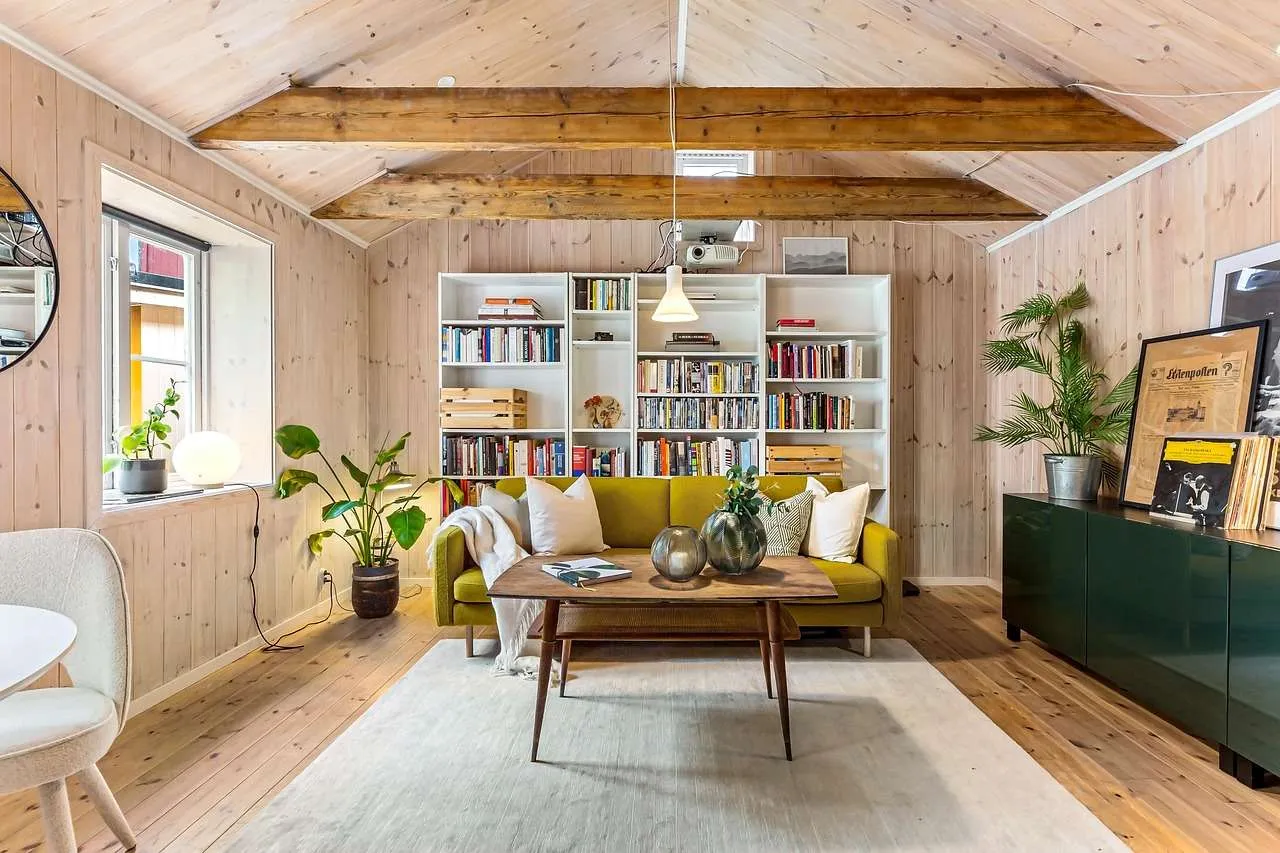
Home window tinting is a smart upgrade for modern homes, combining comfort, safety, and energy efficiency. With professional installation, it can reduce heat gain, lower glare, and protect interiors from UV damage. This article covers what home window tinting is, the main film types, how to choose, and what to expect from installation and maintenance.
What is home window tinting?
Window tinting uses a thin film applied to the interior surface of glass panes. The tint improves performance by filtering infrared and ultraviolet light while preserving visible light for clear views. For homeowners, the result is a more comfortable indoor environment, less strain on cooling systems, and added privacy.
Types of film for homes
Dyed window films
Dyed films are the most affordable option. They absorb heat and reduce glare but can fade over time and offer moderate privacy. They work well when used in combination with other insulating measures.
Ceramic window films
Ceramic films are non-metallic and offer excellent heat rejection without interfering with electronics or GPS signals. They provide strong UV protection, maintain color stability, and enhance privacy with a natural look.
Carbon and metalized films
Carbon films absorb heat and block infrared rays while keeping a dark, consistent appearance. Metalized films reflect heat but may cause glare on some surfaces and can interfere with certain devices or antennas; professional installation helps optimize performance.
Combination and custom options
Some films blend multiple technologies for balanced performance, including solar control, glare reduction, and privacy. Ask for a performance data sheet to compare VLT and SHGC values.
Benefits of home window tinting
- Energy efficiency: reduces cooling loads and can lower energy bills.
- UV protection: blocks up to 99% of UV rays, preserving fabrics and artwork.
- Glare control: improves comfort for screens and reading.
- Privacy and security: adds daytime privacy and can deter intruders if combined with safety film.
- Durability and aesthetics: resists fading and maintains a consistent appearance.
How to choose the right film for your home
Consider climate, window type, and room use. For hot climates, prioritize high heat rejection and low visible light transmission (low VLT) to keep interiors cooler. For rooms with screens, choose a film with minimal interference to electronics and sensors. Check the film's UV rating, warranty, and the installer’s credentials. Ask for visual samples and a performance data sheet that includes UV rejection, total solar energy rejection, and visible light transmission (VLT).
Installation and maintenance
Professional installation ensures proper edge sealing, bubble-free adhesion, and long-lasting performance. The process typically takes a few hours per project, depending on window count and film type. After installation, avoid aggressive cleaning for a week. Use a mild, non-ammonia cleaner and a soft cloth to preserve the film’s adhesion and clarity.
Cost, ROI, and when to DIY vs. hire a pro
Home window tinting costs vary by film type, window size, and labor. Expect higher upfront costs for ceramic or carbon films, but greater long-term savings through energy efficiency and protection of furnishings. In most homes, professional installation is recommended to ensure warranty coverage and optimal performance. DIY kits exist but are best suited for small projects or temporary applications.
Regulations and safety considerations
Local laws often regulate allowed tint levels on residential windows, especially in areas visible from the street. Always verify compliant shade percentages with building codes and homeowners associations if applicable. For safety, consider safety or laminated films in high-risk areas, such as ground-floor windows or skylights.
Comparison of common home window tinting film types
| Film Type | UV Blocking | Heat Reduction | Privacy | Typical Cost per Window | Durability |
|---|---|---|---|---|---|
| Dyed | Moderate | Moderate | Low | Low to Moderate | Moderate |
| Ceramic | Excellent | Excellent | Moderate-High | High | High |
| Carbon | Excellent | Excellent | Moderate | Moderate-High | High |
| Metalized | Excellent | Very High | High | Moderate-High | High |
Note: product performance can vary by manufacturer and window type. Always review a warranty, ensure proper installation, and request independent third-party testing data where available.
Conclusion, choosing the right film and a certified installer empowers homeowners to enjoy cooler interiors, protected fabrics and art, and a more comfortable living space with improved privacy and safety. By evaluating climate needs, glass specifications, and local regulations, home window tinting delivers lasting value and peace of mind.